Sodexo reveals WasteLESS Week 2026 results, cutting 3,677.14 kg of food waste in 1 month
Sodexo Thailand reveals WasteLESS Week 2026 results across 12 service sites, reducing food waste by 3,677.14 kilograms and carbon footprint by 8.31 metric tons.
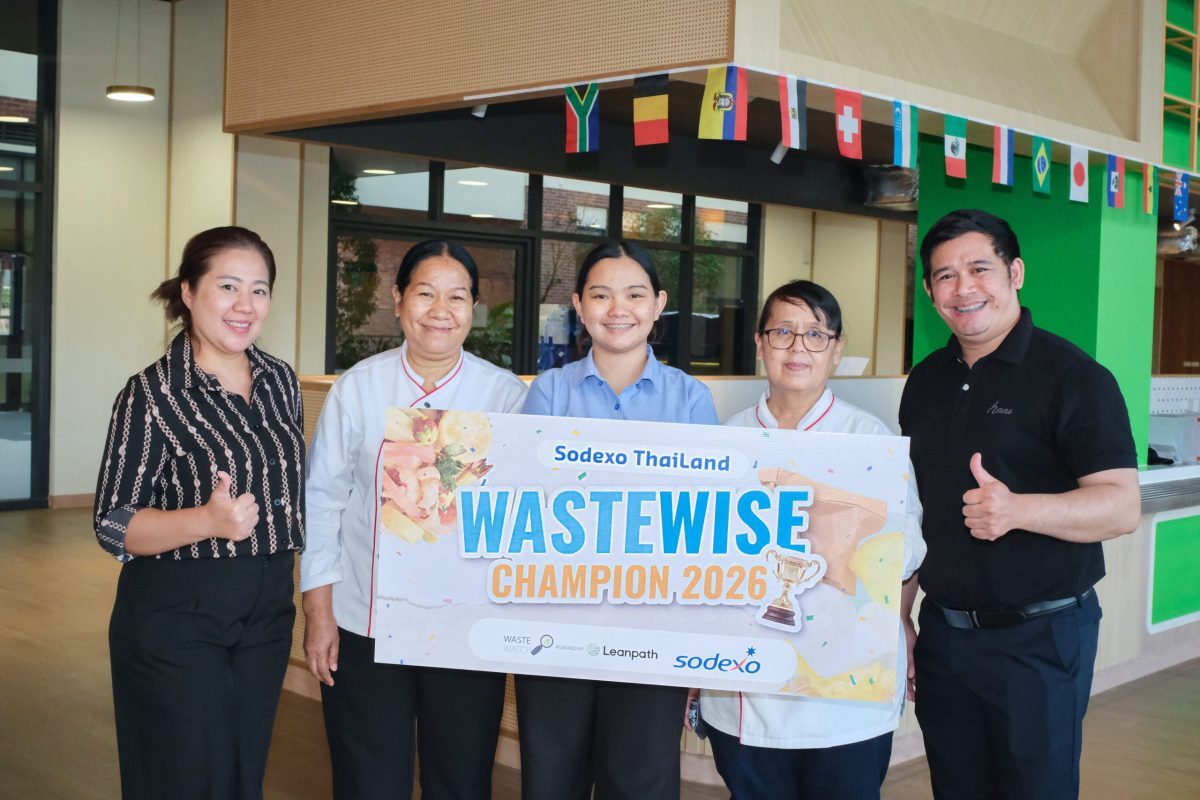
On 4 November 2026, Sodexo Thailand, a leader in food services and integrated facilities management, revealed the successful results of its annual environmental activity, WasteLESS Week 2026, held continuously for 1 month across 12 service sites. Operations under the campaign named WasteWatch & WasteWise Champion 2026 focused on reducing the loss of food, water and plastic resources by combining data tracking systems with the creativity of operational staff. Results throughout the project helped reduce total food waste by 3,677.14 kilograms, lower the carbon footprint by 8.31 metric tons and save up to 3,544.06 litres of fuel.
This working approach applies service expertise from ingredient planning and preparation, cooking and service delivery right through to making optimal use of surplus ingredients according to the requirements of each client. Thuy Ngo, Managing Director of Sodexo, stated that reducing food waste is a daily working standard that relies on actual on-site data to analyse areas for improvement and develop more suitable working methods. At the same time, collaboration among operational staff, clients and service users at each site is also an important factor that enables small daily actions to create positive long-term environmental results.
Enhancing on-site efficiency with real data and creativity through 2 main activities
This year's project was driven by 2 main activities linking data analysis with new approaches developed by operational staff. The first activity was WasteWatch Champion 2026 for service sites using the WasteWatch by Leanpath system to continuously record and track food waste volumes. Data from the system helps personnel see the volume and causes of food loss, allowing them to accurately adjust production and service plans. This year's winner was the working team from Bangkok Hospital Pattaya.
The second activity was WasteWise Champion 2026, which gave personnel from all service points the opportunity to propose ideas to reduce food waste, cut plastic use and save water, judged on practical suitability and actual results achieved. First prize went to the working team from Dulwich College Bangkok international school, which presented a concept for reducing food waste and creating value from leftover ingredients. Operational staff took surplus ingredients from sandwich preparation, namely bread crusts, cheese, ham and green leafy vegetables that remained safe and of good quality, and cooked them with potatoes to create a new dish, potato, ham and cheese croquette, to make the most effective use of resources.
Summary of key information and results of the WasteLESS Week 2026 project
Practices from both activities reflect the potential of combining data tracking systems with the experience of on-site personnel to help clients plan ingredients, reduce waste and manage costs alongside maintaining service standards. The knowledge gained can also be applied to other service sites according to the nature of their operations. This initiative therefore reinforces the link between quality, efficiency and environmental responsibility to lay a foundation of sustainability for businesses.
| Details | Information |
|---|---|
| Organising body | Sodexo Thailand |
| Activity and campaign name | WasteLESS Week 2026 (WasteWatch & WasteWise Champion 2026) |
| Release date | 4 November 2026 |
| Duration and operating sites | 1 month across 12 service sites |
| Food waste reduced | 3,677.14 kilograms |
| Carbon footprint reduced | 8.31 metric tons |
| Fuel saved | 3,544.06 litres |
| WasteWatch Champion 2026 winner | Bangkok Hospital Pattaya working team |
| WasteWise Champion 2026 winner | Dulwich College Bangkok international school working team |
A model approach for hotel professionals, event organisers and food service businesses
The news and case studies from this project are of particular interest to hotel professionals, event organisers and restaurant operators looking for systematic ways to manage food waste and control kitchen ingredient costs. Food and beverage managers as well as banquet organisers can adapt the concepts of waste volume data collection and surplus ingredient repurposing to plan food production more accurately. Furthermore, environmentally conscious travellers and general service users can also learn about practical measures for resource efficiency within Thailand's service sector.