Unveiling a 7-Day Clean Eating Plan for 200 Baht: A Balanced Diet is Achievable
Demystifying healthy clean eating on a 200 baht daily budget, featuring a 7-day nutrition plan and ingredient sourcing tips to achieve a balanced diet across all 5 food groups.
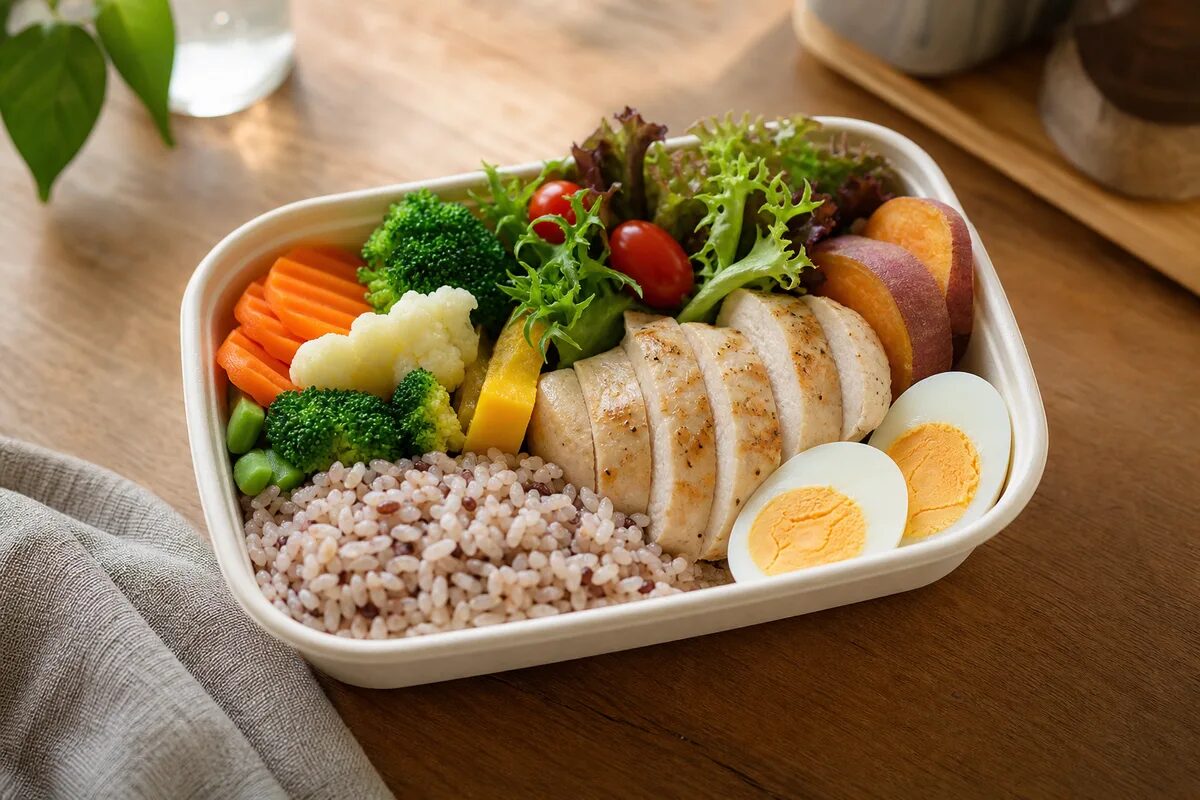
Currently, the trend of maintaining health through clean food is gaining widespread popularity among health enthusiasts nationwide. However, many people still have concerns about potentially unnecessarily high expenses, causing them to ultimately give up. Recently, there is a practical guideline confirming that everyone can plan a balanced nutritional diet covering all five food groups on a budget of just 200 baht per day. This can be started immediately by purchasing ingredients from fresh markets and cooking them yourself at home. This method not only helps to significantly save money but also ensures the body receives all essential nutrients according to modern nutritional principles.
Understanding Clean Food and Basic Nutrition
The true definition of clean food is food that has undergone minimal processing, focusing on the use of natural ingredients to retain maximum nutritional value. A common misconception found among beginners is that they must strictly eliminate carbohydrates to lose weight. In reality, the human body still requires carbohydrates as the primary energy source to drive daily life. Consumers simply need to change their habits and choose unrefined carbohydrates, such as brown rice, wholewheat noodles or sweet potatoes, which will provide both energy and fibre that are significantly better for the digestive system than regular white rice.
The Department of Health, Ministry of Public Health, has clearly defined the structure of the five food groups for Thai people, without recommending that consumers cut any one group out of their meals. Our bodies need to receive protein from meat or beans to repair wear and tear and strengthen muscles. Furthermore, vitamins and minerals from colourful fruits and vegetables are needed to boost the immune system to function efficiently. Concurrently, the body also requires good natural fats as a reserve energy source and to help absorb certain vitamins into the bloodstream.
| Details | Information |
|---|---|
| Price survey period | June 2026 |
| Chicken breast price | 80 baht per kilogram |
| Chicken egg price | 1.54 to 2.79 baht per egg |
| Brown rice price (2 kilograms) | 80 to 120 baht |
| Sweet potato price (500 grams) | 25 to 40 baht |
| Morning glory and Chinese kale price (1 bunch) | 10 to 20 baht |
| Home-cooked meal cost | Average 22 baht per meal |
Budget Management Techniques and Sample Menus
Controlling a nutritional budget within a 200 baht per day framework is achievable by planning menus in advance and purchasing ingredients from appropriate sources like fresh markets, which are often cheaper than standard supermarkets. An important technique that helps save time and reduce costs in the long term is meal prep, or cooking large quantities of food and portioning it for future meals. Consumers can allocate a budget of approximately 60 to 70 baht for protein, 40 to 60 baht for colourful fresh vegetables, and another 20 to 30 baht for high-quality carbohydrates. The remaining money can be used to purchase fresh fruit and seasonings as appropriate for each day.
For an example of a 7-day food plan, experts recommend focusing on rotating economical protein sources, such as chicken eggs, chicken breast, fish and tofu, to ensure the body receives a variety of nutrients and to prevent monotony. A beginner menu that can be prepared conveniently and quickly is boiled eggs eaten with brown rice and fresh vegetables, or perhaps black pepper grilled chicken breast served with a vegetable salad the following day. However, those who want to maintain their health in the long term should limit sodium consumption to under 2,000 milligrams per day, alongside reducing the intake of fried foods and heavily sweetened beverages.
This information is highly interesting and beneficial for general readers who are looking for ways to start looking after their health on a limited budget in the current economic climate. Furthermore, it is an excellent idea for hotel professionals, event organisers or human resources departments who wish to offer cost-controlled healthy food menus to staff or conference attendees with maximum efficiency.